
Renovating a home is always exciting, but one step that truly transforms the look and feel of any space is interior plastering. Whether you’re refreshing a single room or undertaking a full-house upgrade, plastering plays a crucial role in creating smooth, flawless walls that serve as the perfect canvas for painting, décor, and lighting. A well-plastered interior does more than improve aesthetics—it enhances durability, soundproofing, and the overall value of your property. However, mastering interior plastering is not as simple as applying a coat of compound. It requires proper preparation, the right materials, skilled techniques, and an understanding of how different finishes behave over time.
Many homeowners underestimate the impact of quality plastering on the outcome of a renovation. Small imperfections like hairline cracks, uneven surfaces, or poor finishing can become painfully obvious once paint is applied. That’s why knowing the best practices and tips for interior plastering can save you time, money, and frustration. Whether you’re a DIY enthusiast or planning to hire professionals, being informed ensures that your renovation results in long-lasting, beautiful interiors. In this blog, we’ll explore the essentials of plastering—from preparation and application to curing and finishing—for a renovation outcome that truly stands out.
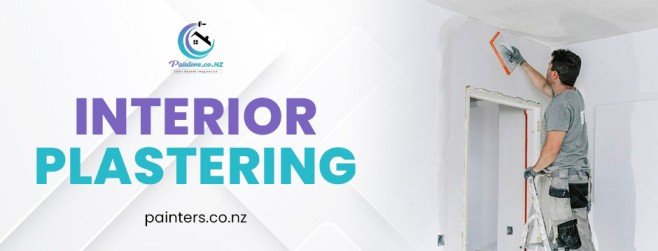
Best Practices and Tips for Interior Plastering
Start with Proper Surface Preparation
Good plastering begins long before the first coat is applied. Preparation ensures that the plaster adheres correctly and cures evenly. Start by cleaning the wall thoroughly—dust, grease, old paint flakes, and residues can all affect adhesion. Remove any loose plaster, fill deep cracks, and sand rough patches.
If the wall absorbs moisture too quickly (common in old or dry surfaces), apply a suitable primer or bonding agent to regulate absorption and ensure consistent drying. This step prevents premature cracking and gives you a stronger, smoother finish.
Choose the Right Plaster for the Job
Not all plasters are created equal. The Interior Plastering type you choose depends on your renovation goals, the wall material, and your desired finish.
- Gypsum plaster is ideal for smooth, modern interiors and offers faster drying times.
- Cement plaster works better for high-moisture areas or walls that require extra durability.
- Polymer-modified plasters provide flexibility and crack resistance for homes prone to temperature fluctuations.
Selecting the right plaster ensures better performance, longevity, and fewer maintenance issues.
Maintain Correct Plaster Consistency
Mixing plaster correctly is one of the most overlooked yet essential aspects of successful plastering. The mixture should be lump-free and creamy—not too thick, not too runny. A poor mix can result in inconsistent application, weak bonding, and uneven surfaces.
Always follow manufacturer instructions and use clean containers and tools during mixing. If the plaster starts to set, don’t remix with water; instead, prepare a fresh batch to maintain quality.
Apply Plaster in Thin, Even Coats
Thick layers of plaster may seem like a shortcut, but they often lead to cracking, warping, or hollow pockets. The best practice is to apply multiple thin coats, allowing each one to partially dry before applying the next.
Start with a base coat for bonding, followed by one or two finishing coats for smoothness. Use consistent pressure on your trowel and work methodically to avoid ridges or uneven spots.
Keep an Eye on Timing and Drying
Interior painters Auckland require a balance between speed and patience. Applying a second coat too early can cause drag marks; applying it too late can make blending difficult. Similarly, drying too fast can cause cracks. Avoid direct sunlight, heaters, or strong drafts in the room when plastering. Natural ventilation is ideal.
Let the plaster cure completely before sanding or painting—typically 24 to 72 hours, depending on humidity and temperature.

Sand Gently for a Perfect Finish
Once the plaster is completely dry, sanding helps create a flawless surface. Use fine-grit sandpaper and avoid aggressive sanding, which can weaken the plaster or create uneven patches.
Hold a light parallel to the wall to spot imperfections more easily and sand those areas lightly. A well-sanded wall will enhance paint adhesion and ensure a professional-looking outcome.
Address Cracks Immediately
Even with proper technique, small cracks may occasionally appear as plaster settles. Hairline cracks are normal, but should be handled quickly to prevent them from spreading.
Cut them open slightly with a utility knife, dust them off, and fill them using a flexible filler or fine plaster. If cracks reappear often, it may indicate structural issues or improper plaster selection—something worth discussing with a specialist.
Use Quality Tools and Maintain Them
The quality of your Painters Auckland tools significantly affects your results. Invest in good trowels, hawks, floats, and sanding blocks. Stainless steel trowels, for example, minimise drag marks and help you achieve smoother finishes.
Clean tools immediately after each use. Dried plaster on tools creates scratches, lines, and imperfections during application.
Consider Professional Assistance for Complex Jobs
While small repairs and single-room projects may be manageable for DIY enthusiasts, large-scale renovations or speciality finishes (like Venetian plaster or level 5 finish) often require skilled hands. Professionals can ensure precision, faster completion, and long-term durability—particularly for homes undergoing major transformations or requiring premium finishing.
Plan Your Painting Schedule Carefully
Painting over damp plaster can ruin both the paint and the wall surface.
Before painting:
- Ensure plaster is fully dry (it should turn light pink or white).
- Apply a mist coat—a diluted primer that helps the wall bind with the final paint layers.
- Use high-quality interior paints for longevity and a pristine look.
End Notes
Interior plastering is a vital step in any renovation, and when done correctly, it significantly boosts your home’s aesthetics, value, and comfort. Whether you’re aiming for ultra-smooth modern walls or repairing ageing surfaces, following the best practices above will help you achieve lasting, beautiful results.
For homeowners in New Zealand looking for top-tier interior plastering services, consider partnering with a trusted professional team. If you want flawless finishes, expert craftsmanship, and durable results, explore Painters.co.nz. Our skilled team ensures your renovation looks stunning from the inside out.