
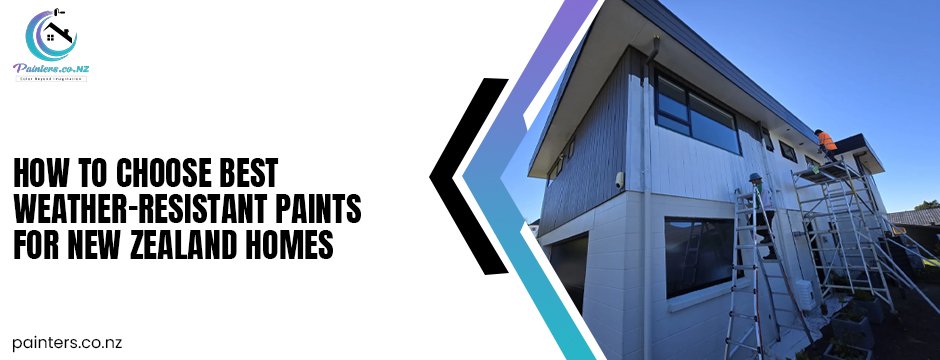
Choosing the right weather resistant paints is one of the most important decisions homeowners in New Zealand can make. The country’s climate is not gentle. From coastal salt air to strong UV rays and sudden rain, your exterior surfaces face constant stress. Therefore, selecting the correct paint system is not just about colour. It is about long-term protection, durability, and reduced maintenance.
In this guide, you will learn how to identify high-performance coatings, what factors matter most in New Zealand conditions, and how to make a smart, cost-effective choice.
Why New Zealand Homes Need Special Paint Protection
New Zealand’s environment is unique. Homes in Auckland, for example, deal with humidity, moisture, and salt exposure. Meanwhile, other regions face strong sunlight or temperature changes.
Because of this, standard paint may fail quickly. You may notice peeling, fading, or cracking within a few years. Consequently, investing in weather-resistant paints becomes essential if you want your home to stay protected and visually appealing.
Furthermore, professional exterior painting is not only about appearance. It acts as a barrier against moisture intrusion, timber damage, and surface breakdown.
Understanding What Makes Paint Weather Resistant
Not all paints perform the same. To choose wisely, you need to understand what features define high-quality weather-resistant paints.
1) UV Resistance
New Zealand has high UV levels. Over time, sunlight can fade colours and weaken paint film. A good paint should contain UV blockers that maintain colour and strength.
2) Moisture Protection
Rain and humidity can lead to mould and mildew. Therefore, paints must resist water penetration while still allowing surfaces to breathe.
3) Flexibility
Surfaces expand and contract due to temperature changes. Flexible coatings adjust to movement and reduce cracking.
4) Adhesion Strength
Strong adhesion ensures paint stays bonded to the surface. Poor adhesion often leads to peeling, especially in older homes.
These features combined make weather-resistant paints suitable for New Zealand’s demanding conditions.
Types of Weather Resistant Paints to Consider
Different surfaces require different solutions. Here are the main paint types used in residential exterior painting projects.
Acrylic Exterior Paints
These are the most popular choices. They are water-based, flexible, and resistant to UV damage. They also dry quickly and are easy to maintain.
Elastomeric Coatings
These paints are thicker and ideal for surfaces with minor cracks. They provide excellent waterproofing and durability.
Oil-Based Paints
Although less common today, they still work well for trims and certain surfaces. They offer a smooth finish and strong adhesion.
Choosing the right type depends on your home’s material and exposure level.
How Surface Type Affects Your Paint Choice
Every home is different. Paint selection should match the material underneath.
Weatherboard Homes
Timber requires breathable coatings. Moisture trapped inside wood can cause swelling or rot. Acrylic paints work best here.
Brick and Concrete
These surfaces need paints that handle porosity and moisture movement. Elastomeric coatings are often a good fit.
Cedar and Modern Cladding
These materials require specialised primers and finishes. Professional exterior house painters Auckland often recommend tailored systems for such surfaces.
Understanding your substrate helps you avoid costly mistakes later.
Climate Zones Matter More Than You Think
Not all parts of New Zealand experience the same conditions. Coastal homes face salt exposure, while inland homes deal with temperature swings.
For example, properties near the sea need coatings with higher resistance to salt corrosion. Meanwhile, shaded areas may require anti-mould protection.
This is why experienced exterior painters Auckland focus on location-specific solutions rather than generic paint systems.
Preparation Is Just as Important as Paint
Even the best weather resistant paints will fail if applied on a poorly prepared surface. Preparation is the foundation of durability.
Key Preparation Steps
- Cleaning and removing dirt, mould, and old paint
- Sanding rough or peeling areas
- Repairing cracks or damaged sections
- Applying the correct primer
Skipping these steps leads to premature failure. Therefore, proper preparation ensures the paint performs as expected.
Choosing Colours That Last
Colour choice is not only about style. It also affects performance. Lighter colours reflect sunlight better, reducing heat absorption. Darker shades may look bold but can fade faster under strong UV exposure.
Furthermore, colour combinations should complement your surroundings. Many homeowners consult exterior house painting Auckland experts to select shades that suit both architecture and climate.
How to Identify Quality Paint Brands
With many options available, choosing a reliable product can feel overwhelming. Here are a few practical checks:
- Look for warranties and product guarantees
- Check if the paint is designed for New Zealand conditions
- Read reviews from homeowners or professionals
- Ask for technical specifications, not just marketing claims
Quality brands invest in research and testing. This ensures consistent performance over time.
When to Hire Professionals Instead of DIY
While DIY painting may seem cost-effective, exterior work requires skill and planning. Professional exterior house painters Auckland understand surface preparation, weather timing, and product compatibility. They also ensure safety when working at heights.
Additionally, experienced exterior painters in Auckland can recommend the right paint system based on your home’s condition. This reduces the risk of repainting too soon.
Signs Your Current Paint Is Failing
If you are unsure whether your home needs repainting, look for these signs:
- Peeling or flaking surfaces
- Faded or uneven colour
- Cracks or bubbling
- Mould or mildew growth
These issues indicate that your current coating is no longer protecting the surface. Switching to high-quality weather-resistant paints can prevent further damage.
Cost vs Long-Term Value
Many homeowners focus only on the upfront cost. However, cheaper paint often leads to frequent repainting.
Investing in premium weather-resistant paints reduces maintenance and extends lifespan. Over time, this approach saves money and effort.
Furthermore, a well-painted exterior increases property value and enhances curb appeal.
Eco-Friendly Paint Options
Modern homeowners are becoming more environmentally conscious. Many paint brands now offer low-VOC or water-based options.
These paints reduce harmful emissions and are safer for families and pets. They also align with sustainable living practices without compromising performance.

Transform Your Home with Trusted Auckland Painting Experts
At Painters.co.nz, we don’t just apply paint—we create lasting protection and beautiful spaces tailored to Auckland’s climate. We understand how sun, rain, and coastal air affect your home, so we use premium weather-resistant systems and thorough preparation for long-term results. From exterior house painting to full property upgrades, we handle everything with care, clarity, and precision. Furthermore, we focus on clean workspaces, honest pricing, and finishes that truly stand out. Ready to refresh your home? Let’s bring your vision to life.
Final Thoughts: Making the Right Choice
Choosing the right paint for your home is a long-term decision. It affects protection, appearance, and maintenance costs. By focusing on climate suitability, surface compatibility, and preparation, you can achieve a finish that lasts for years.
In conclusion, weather-resistant paints are not just a product choice. They are a strategy for protecting your home against New Zealand’s unpredictable weather. Take the time to assess your needs, consult professionals if needed, and invest in quality systems.
If you are planning your next exterior project and want expert guidance, consider reaching out to Painters NZ for a professional assessment and tailored painting solutions.
FAQs
Weather-resistant paints protect your home from UV rays, moisture, and salt air. They prevent peeling, fading, and cracking, ensuring your exterior stays strong and visually appealing for years.
Acrylic paints are the most popular due to flexibility and UV resistance. However, elastomeric coatings work well for cracked surfaces, and oil-based paints are ideal for trims and detailed areas.
Preparation is critical. Cleaning, sanding, repairing, and priming ensure proper paint adhesion. Without it, even high-quality paint can fail early.
Hiring professionals ensures proper techniques, safety, and long-lasting results. They also recommend the right paint system based on your home’s condition and environment.
Look for peeling paint, fading colour, cracks, or mould. These signs indicate that your current coating is failing and needs attention.


